Martyn's Law Explained

The Terrorism (Protection of Premises) Act 2025, commonly known as Martyn’s Law, has been introduced to improve public safety by ensuring qualifying venues and events are better prepared to respond to terrorist incidents.

When it comes into force, the legislation will place legal duties on those responsible for certain publicly accessible premises and events to implement proportionate procedures and measures to improve preparedness and public protection.

For venue operators, event organisers and other organisations responsible for publicly accessible locations, now is the time to understand what the legislation could mean and begin reviewing existing arrangements.

What is Martyn’s Law?

Martyn’s Law was introduced following the Manchester Arena attack in 2017 and is named in memory of Martyn Hett, one of the 22 people who lost their lives. The legislation was created to improve protective security and organisational preparedness across publicly accessible locations throughout the UK.

The Act received Royal Assent on 3 April 2025. The Government intends there to be an implementation period of at least 24 months before its requirements come into force, giving organisations time to understand their responsibilities and prepare.

The requirements will vary depending on the nature of the premises or event and the number of people it is reasonable to expect will be present at the same time.


Who Is Responsible Under Martyn’s Law?

Under the legislation, legal responsibility sits with the Responsible Person. Depending on how the premises or event operates, this may be:

  • Premises Licence Holders
  • Venue Operators
  • Event Organisers
  • The Controlling Company responsible for the site or event

The Responsible Person remains legally accountable for ensuring compliance with the requirements of Martyn’s Law.

Image 2

Who does Martyn’s Law apply to?

Martyn’s Law will apply to qualifying publicly accessible premises where 200 or more people, including staff, may be present at the same time.

This may include pubs, bars, restaurants, hotels, leisure and entertainment venues, retail premises, sports grounds, visitor attractions, community venues and certain qualifying events.

Standard Tier Premises

For Standard Tier premises, where it is reasonable to expect between 200 and 799 individuals, including staff, to be present at one time, the focus is on procedural preparedness and ensuring staff understand how to respond in the event of a terrorist incident.

This includes establishing appropriate evacuation, invacuation, lockdown and communication procedures, ensuring relevant staff understand their roles, and providing suitable awareness, instruction or training where needed so the procedures can be carried out effectively.

The aim is to improve preparedness and enable a quick and effective response should a terrorist attack occur.

Enhanced Tier Premises

For Enhanced Tier premises and qualifying events, where it is reasonable to expect 800 or more individuals, including staff, to be present at one time, additional measures are required that are proportionate to the size, nature and circumstances of the venue or event.

This includes undertaking formal terrorism risk assessments, maintaining documented security and preparedness plans, implementing appropriate protective security measures, establishing enhanced governance and oversight arrangements, and ensuring robust procedures are in place to prevent, respond to and recover from a terrorist incident.

The aim is to take a proactive and structured approach to reducing vulnerability, improving preparedness and protecting members of the public should a terrorist attack occur.

What Does This Mean for Venue Operators?

Venue operators should identify the Responsible Person, determine which tier applies and review whether their emergency procedures, staff awareness, security arrangements and reporting processes are clear, appropriate and regularly reviewed.

The Role of Security Teams

Security teams can support venue safety and preparedness by:

  • Monitoring suspicious behaviour and escalating concerns
  • Conducting authorised searches and following site-specific procedures
  • Supporting evacuation, invacuation, lockdown and emergency responses
  • Communicating incidents and maintaining accurate records

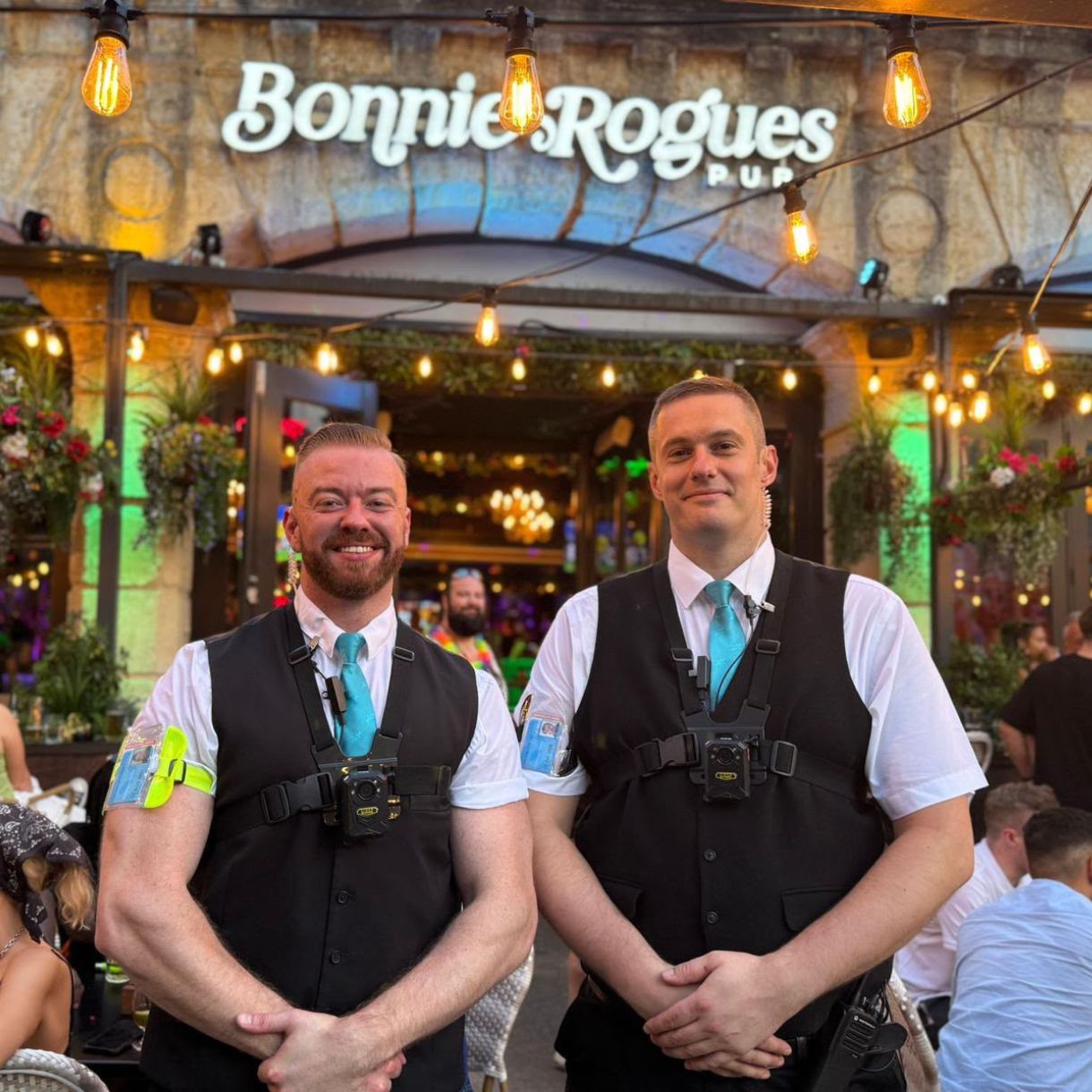
Security personnel should operate within their Assignment Instructions and work closely with venue or event management.

Can responsibility be passed to a Security Company?

No.

One of the most common misconceptions surrounding Martyn’s Law is that legal responsibility can be transferred to a contracted security provider. While security companies can support preparedness, protective security measures and operational delivery, legal responsibility for compliance remains with the Responsible Person.

The Responsible Person may delegate individual actions and operational tasks to employees, security managers or contracted security teams. However, they retain overall responsibility for ensuring the requirements of the Act are met. Security should form part of a joined-up approach involving the Responsible Person, venue management, employees, contractors and other relevant partners.

Frequently Asked Questions

Martyn’s Law introduces new responsibilities for many venue operators, event organisers and businesses across the UK. As organisations work to understand the requirements of the legislation, a number of common questions continue to arise around legal responsibility, compliance, security measures and preparedness.

Here we have answered some of the most frequently asked questions to help clarify what Martyn’s Law means in practice and how organisations can prepare effectively.

How Bridgegate Security Can Support Your Venue

At Bridgegate Security, we work collaboratively with venue operators, event organisers and businesses across the UK to support safe and secure environments.

We can assist through:

  • Bridgegate security personnel
  • ACT Awareness trained teams
  • Event and venue security deployments
  • Operational best practice guidance
  • Support with emergency procedures
  • Security presence and incident management
  • Collaborative preparedness planning

This page and its downloadable resources provide general information and operational guidance. They do not constitute legal advice or confirmation of compliance. Organisations should refer to the latest Home Office, SIA and ProtectUK guidance when determining their legal responsibilities.